

Imagine a world where you could unlock the secrets of any subject that fascinates you. The essay “If You Could Learn Anything, What Would It Be?” prompts you to reflect on your curiosities and aspirations, allowing your imagination to soar. Whether it’s mastering a language, understanding complex scientific theories, or tapping into artistic creativity, this exploration encourages self-discovery and intellectual growth.
By delving into what you wish to learn, you not only clarify your interests but also inspire others to consider their own learning journeys. This exercise emphasizes the importance of curiosity in shaping our futures and broadening our horizons. As you ponder this question, think about how your passions can evolve into tangible skills, propelling you toward personal and academic success. Continue reading to uncover insights on how to effectively express your aspirations in this engaging essay.
Understanding the Importance of Learning Anything

The ability to learn is one of the most fundamental strengths a person can possess, influencing almost every aspect of life. Whether it’s acquiring a new skill for career advancement or exploring the depths of a personal interest, the act of learning equips individuals with tools to navigate an increasingly complex world. Research suggests that learning not only enhances knowledge but also improves problem-solving abilities, critical thinking, and emotional intelligence. When you engage with new concepts or subjects, you create opportunities for personal and professional growth, opening doors to new experiences and connections that can shape your future in unimaginable ways.
To truly appreciate the importance of learning, consider how it fosters adaptability. In today’s fast-paced society, the ability to learn and unlearn is crucial. Those who embrace learning demonstrate resilience and a willingness to innovate, making them more competitive in the job market. For instance, someone pursuing a career in technology must continually learn about emerging trends and tools to remain relevant. Cultivating a habit of lifelong learning can lead to increased confidence and a sense of fulfillment, as individuals realize they are capable of mastering new subjects and skills, thus enriching their lives and the lives of those around them.
Moreover, goes beyond acquiring facts; it’s about fostering a mindset that views challenges as opportunities. By approaching learning with curiosity and an open mind, individuals can overcome feelings of intimidation or self-doubt. It’s helpful to define what subjects resonate most with you-be it art, science, languages, or technology-and to engage with those topics through various mediums, such as books, online courses, or community classes. In doing so, you not only broaden your knowledge base but also enrich your life experiences, making the journey of learning enjoyable and deeply rewarding.
Ultimately, every subject learned contributes to the tapestry of who you are, enhancing your ability to engage with the world. The effort you put into discovering new areas of interest builds the foundation for a fulfilling and enriched life. Consider embracing the potential to learn anything; it can lead not only to professional advantages but also to profound personal satisfaction and joy.
Exploring Popular Topics to Learn
The vast landscape of knowledge is ripe for exploration, teeming with exciting subjects that can spark curiosity and ignite passion. Whether you’re intrigued by the intricacies of quantum physics or the nuances of culinary arts, there are endless possibilities to dive into. Popular topics to learn not only enrich your intellect but also offer avenues for personal expression and creativity. Embracing a variety of subjects can enhance your understanding of the world and contribute to your personal growth.
Broadening Your Horizons
To make the most of your learning journey, consider a few trending subjects that are not only relevant but also enriching:
- Technology and Computing: With the rapid advancement of AI, machine learning, and coding, gaining skills in these areas can offer a significant advantage in today’s job market.
- Health and Wellness: Learning about nutrition, fitness, and mindfulness can greatly enhance your quality of life and help you lead a balanced lifestyle.
- Creative Arts: Engaging with art, music, literature, or performing arts can be highly fulfilling and provide an outlet for self-expression.
- Languages: Mastering a new language expands your cultural understanding and opens up personal and professional opportunities.
- Sustainability: Understanding environmental science and sustainable practices can empower you to contribute positively to global challenges.
Exploring these topics can help you understand your preferences and interests better. By delving into what excites you, you can transform learning into an enjoyable experience rather than a chore.
Finding Your Learning Style
As you explore various subjects, consider how you learn best-whether through visual aids, hands-on experiences, or auditory materials. Discovering your optimal learning style can significantly enhance your retention and enjoyment of the material. For instance, if you’re a visual learner, instructional videos and diagrams may resonate more with you than textbooks alone.
Encouragement to explore courses offered on platforms like Coursera, Udemy, or local community colleges can yield unexpected insights and skills. Participating in workshops, joining clubs, or attending lectures can also provide a stimulating environment to foster your learning journey.
Ultimately, the key to embracing new knowledge is to remain open-minded and willing to explore diverse subjects. The more you embrace this journey, the richer your understanding of the world will become, fueling your curiosity and satisfying your quest for knowledge.
Crafting Your Learning Journey
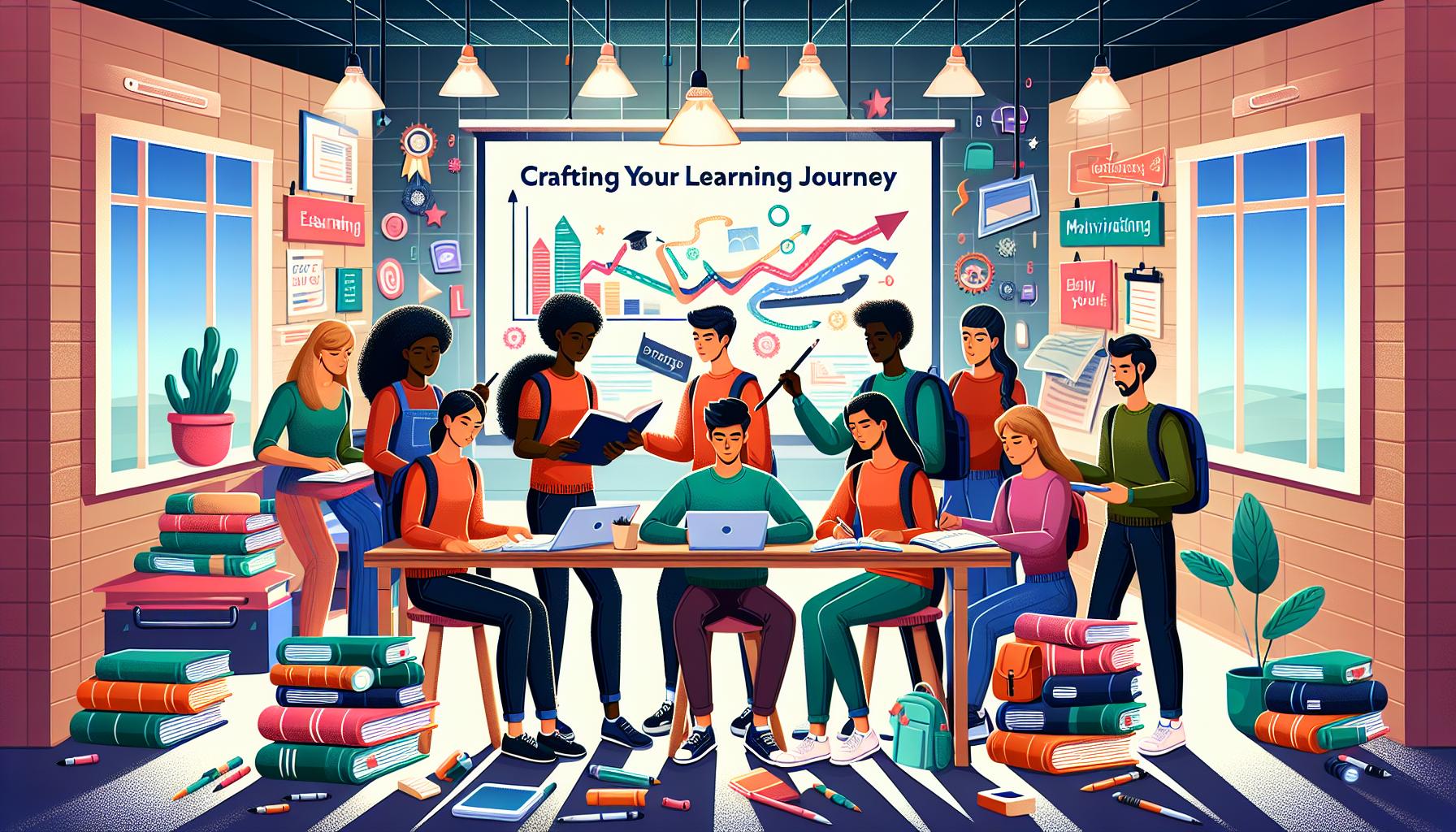
In a world brimming with opportunities to learn and grow, the process of crafting a personalized learning journey can be as exciting as the knowledge itself. Imagine embarking on an adventure where each choice leads to new insights, skill enhancements, and personal development. The first step in this unique journey is to identify what truly resonates with you. What are your passions? What sparks your curiosity? Start by writing down subjects or skills you are keen to explore, as this list will serve as a roadmap for your educational pursuits.
As you pinpoint your learning interests, it’s essential to set clear, achievable goals. Consider using the SMART criteria-specific, measurable, attainable, relevant, and time-bound-to structure your objectives. For instance, instead of vaguely stating, “I want to learn photography,” you could rephrase it to, “I will complete an online photography course over the next month and practice taking photos three times a week.” Such clarity not only propels you forward but also provides a sense of accomplishment as you tick off completed milestones.
Engagement in your learning journey is vital. Find resources that captivate your interest, be it through books, online courses, podcasts, or hands-on workshops. Diversifying your methods can keep the experience fresh and stimulating. For instance, if you are learning a language, combine traditional studying with language exchange meetups or immersive experiences. This variety enhances retention and makes learning feel less like a task and more like an exciting exploration.
Lastly, remember that reflection is a powerful tool in your learning journey. Set aside time to evaluate what you’ve learned and how you’ve applied it. Journaling your experiences not only reinforces knowledge but also helps you adjust your paths. You may discover new interests or find that certain approaches resonate more with you than others. This iterative process of learning ensures your path remains dynamic, evolving along with your interests and experiences. By embracing this journey, you empower yourself to uncover knowledge boundaries and transform learning into a lifelong pursuit.
Incorporating Curiosity into Everyday Life

In a world teeming with information, curiosity serves as the key that unlocks new avenues of understanding and personal growth. By integrating curiosity into your daily life, you enhance your capacity to learn and engage with the world around you. Embracing this mindset not only makes the learning process more enjoyable but also transforms routine moments into opportunities for exploration and discovery.
One effective way to cultivate curiosity is to ask questions regularly. Instead of accepting information at face value, challenge yourself to delve deeper by querying “why” or “how.” For instance, if you come across a new term in a book or article, take a moment to look it up or explore its context further. This habit of questioning fosters a more profound understanding of your surroundings and encourages an inquisitive attitude. Additionally, create a designated “curiosity journal” where you can jot down intriguing topics, questions, or ideas that arise throughout your day. This practice not only organizes your thoughts but can also serve as a springboard for future learning sessions.
Another approach is to engage in diverse activities that pique your interest. Enroll in workshops, attend lectures, or participate in community events that showcase new skills or concepts. For example, if you’re intrigued by culinary arts, consider taking a cooking class that explores international cuisines. Such hands-on experiences are enriching and expand your horizon, providing you with fresh perspectives and practical skills. Furthermore, interacting with individuals from different backgrounds can offer valuable insights and stimulate your sense of curiosity by revealing unfamiliar thoughts and practices.
Finally, maintain a reflective practice by setting aside time each week to contemplate what you’ve learned and the topics that captured your interest. Reflecting on your learning journey not only reinforces your knowledge but also allows you to identify new areas of curiosity to explore. For example, if reading a novel about space travel ignites your interest in astrophysics, you might decide to pursue further reading or even enroll in an online course about the subject. By making reflection a habit, you can continuously adapt and grow your learning endeavors.
Incorporating curiosity into your everyday life paves the way for a more fulfilling educational experience. This proactive approach encourages you to seek out knowledge actively and position yourself as a lifelong learner, which is not only advantageous for your academic journey but also enriches your personal life. By asking questions, engaging with varied experiences, and reflecting on your learning, you foster an environment where curiosity flourishes, opening doors to endless possibilities.
Building a Learning Mindset for Success
A growth mindset is essential for cultivating a robust learning environment, transforming challenges into stepping stones for success. Understanding that intelligence and abilities can be developed through effort, effective strategies, and perseverance enables learners to approach new subjects without the fear of failure. When you adopt this attitude, every mistake becomes an opportunity to learn, fostering resilience and encouraging continuous improvement in your educational journey.
Embrace Challenges
Approaching challenges with curiosity rather than apprehension can significantly enhance your learning experience. Instead of shying away from difficult topics, view them as puzzles waiting to be solved. This shift in perspective allows you to tackle complex ideas with enthusiasm and determination. For instance, if you’re delving into a tough math concept, consider the joy of mastering it as you work through it methodically. Engaging with challenging material not only sharpens your problem-solving skills but also builds confidence in your abilities.
Adopt Effective Learning Techniques
Implementing proven learning strategies can further solidify your mindset. Consider using the following techniques to augment your understanding:
- Active Learning: Instead of passively reading or listening, engage with the material actively. This could involve summarizing information in your own words, teaching concepts to peers, or applying theories to practical situations.
- Visual Aids: Diagramming complex information or using mind maps can help visualize relationships between concepts, enhancing retention and comprehension.
- Chunking Information: Break down large amounts of information into manageable units. This technique can make studying less overwhelming and aid memory.
By integrating these methods into your routine, you can dramatically improve both your retention and understanding of various subjects.
Reflect and Adjust
Regular reflection on your learning practices is vital to ensure you are on the right path. Set aside time each week to assess what strategies have been effective and which areas require adjustment. For example, if a certain study method isn’t working, be flexible enough to try alternative approaches. Keeping a learning journal can help track progress, identify challenges, and celebrate successes, creating a deeper understanding of how you learn best.
In summary, fostering a learning mindset is not merely about the acquisition of knowledge; it’s about creating a nurturing environment where curiosity thrives and setbacks are stepping stones. By embracing challenges, utilizing effective learning techniques, and engaging in reflective practice, you empower yourself to pursue any subject with confidence. This proactive approach lays a strong foundation for not just academic success but lifelong learning.
The Power of Lifelong Learning
Lifelong learning is a powerful concept that transcends traditional education and extends throughout our entire lives. It embodies the idea that learning doesn’t stop after formal schooling but continues as we navigate personal and professional experiences. This continuous pursuit of knowledge enriches our lives, sharpens our skills, and prepares us to adapt to the ever-changing world around us. Imagine a life where each moment could spark curiosity and lead to new insights, enabling us to explore topics that fascinate us deeply.
Engaging in lifelong learning can take many forms, from enrolling in workshops and courses to informal avenues like reading blogs, watching tutorial videos, or participating in community discussions. Opportunities are abundant-whether through platforms like the Lifelong Learning Institute in Chesterfield, which offers diverse courses for adults over 50, or online resources that cater to different interests and age groups. This flexibility allows individuals to tailor their learning experiences based on their interests, time constraints, and life circumstances, ensuring that education remains accessible and personalized.
To harness effectively, it’s essential to cultivate a mindset that embraces curiosity and challenges. View each learning endeavor as an opportunity to expand your horizons, regardless of your age or background. Try to approach subjects that intrigue you with an open heart, seeking not only to understand them deeply but also to apply your new knowledge creatively in your life. For instance, if you’ve always wanted to learn a new language, consider joining a community class or using an app to practice daily, turning your interest into an engaging routine.
Moreover, as you embark on your learning journey, goal-setting becomes a crucial strategy. Define clear, achievable objectives that motivate you and break your larger ambitions into manageable steps. By celebrating small victories along the way, such as completing a chapter or mastering a new skill, you foster a sense of accomplishment that reinforces your commitment to lifelong learning. This dedication ultimately empowers you to explore any subject you desire and to continuously inspire those around you to do the same. Embrace the transformative potential of lifelong learning-it is the key to unlocking a world of endless possibilities.
Overcoming Barriers to Learning Effectively
Overcoming barriers to effective learning is essential for anyone who seeks to embark on the journey of continuous education. Many people face common obstacles, such as time constraints, lack of motivation, or even the fear of failure. However, each barrier can be transformed into a stepping stone toward success with the right mindset and strategies. Understanding that learning is a personal journey can significantly alleviate the stress associated with it.
One of the most significant barriers is time management. Busy schedules can make it challenging to find dedicated learning moments. To conquer this issue, consider integrating learning into your daily routine. This can be as simple as listening to educational podcasts during your commute or dedicating 15 minutes a day to reading articles related to your interests. Utilizing tools such as calendars or learning apps can help you carve out specific times for learning activities, ensuring you remain committed without feeling overwhelmed.
Additionally, fostering a strong sense of motivation is crucial to overcoming inertia. Setting specific, achievable goals can ignite your passion for learning. Break down larger objectives into smaller, manageable tasks, each with its deadline. For instance, if you aim to learn a new language, set daily goals for mastering vocabulary or completing lessons. Celebrate these small victories to build momentum and maintain your enthusiasm. Creating a vision board that represents your learning goals can also serve as a constant reminder of what you strive to achieve.
Finally, addressing the fear of failure is paramount. Embrace a growth mindset by viewing mistakes as opportunities for growth rather than setbacks. Engage with supportive communities, whether online forums or local study groups, to share experiences and learn from others’ journeys. This social aspect can provide encouragement and make the process feel less daunting.
By proactively confronting these barriers, you can create an enriching learning environment that fosters curiosity and invites exploration. Remember, every effort you make to overcome obstacles lays the groundwork for a more fulfilling and successful learning experience.
Setting Achievable Learning Goals
Setting specific and achievable learning goals can be a game-changer for anyone looking to expand their knowledge, especially if you’re considering what you’d like to learn next. By defining clear objectives, you provide yourself with a roadmap that transforms abstract desires into concrete actions. Research shows that people who set structured goals are more likely to achieve them, as these goals give direction and motivation.
To establish effective learning goals, start by identifying your interests. What topics ignite your curiosity? Once you have a list, prioritize them based on your enthusiasm and relevance. For instance, if you are intrigued by both photography and coding, consider which skill aligns more closely with your personal or professional aspirations. After identifying your interest, use the SMART criteria to refine your goals. Make sure they are:
- Specific: Clearly define what you want to learn. Instead of saying, “I want to learn photography,” specify, “I want to learn how to take portrait photographs using natural light.”
- Measurable: Establish criteria to track your progress. This could be completing an online course or practicing photography for a certain number of hours each week.
- Achievable: Set realistic goals based on your current schedule and commitments. Aim for something that challenges you but is still within reach.
- Relevant: Ensure your goals align with your values and long-term objectives. Ask yourself how learning this topic will impact your personal growth or career.
- Time-bound: Assign a deadline to create urgency. For example, “I will complete my online photography course in three months.”
Once you have structured your goals, break them down into smaller, manageable tasks. This step allows you to celebrate small victories along the way, fueling your motivation. For example, if your goal is to finish a book on photography techniques, break it down into chapters or sections to read each week. This practice prevents overwhelm and keeps you engaged.
As you embark on your learning journey, remain flexible and open to adjusting your goals. Sometimes, interests evolve or the learning process takes unexpected turns. Keeping a learning journal where you reflect on your experiences can also enhance your growth and help you stay committed to your objectives. Remember, the path to learning is not just about the end result but also the enriching experiences that come along the way.
Techniques for Engaging and Retaining Knowledge
Engaging with new knowledge is not just about absorbing information; it’s about making the experience enjoyable and memorable. Studies show that actively participating in the learning process significantly enhances retention. Incorporating a variety of techniques can transform how you absorb and retain knowledge, ensuring that your learning journey is both effective and inspiring.
One powerful technique for engaging with new material is active recall, which encourages you to retrieve information from memory rather than passively reviewing notes. This approach can be as simple as creating flashcards or conducting self-quizzes after reading a chapter. The act of retrieving information helps reinforce pathways in your brain and strengthens memory retention. For instance, if you’re learning a new language, practice speaking the vocabulary aloud without looking at your notes, then check your accuracy. This method not only boosts confidence but also enhances long-term memory.
Another effective strategy is to connect new knowledge with what you already know, a concept known as interleaving. When studying, instead of focusing on one topic for an extended period, mix different subjects or types of problems. This technique helps improve problem-solving abilities and keeps your mind alert by making learning more dynamic. For example, if you’re studying music theory and guitar techniques simultaneously, alternating between the two can help you understand each subject’s nuances more clearly, thereby enhancing your overall comprehension.
Incorporating multisensory learning is also crucial for engaging with material. This might mean combining visual aids, like diagrams or videos, with auditory information, such as podcasts or lectures. Engaging multiple senses makes the information more concrete and relatable. For instance, when learning about historical events, watch a documentary while reading a book on the same topic. This dual engagement amplifies understanding and retention, ensuring that you can remember and apply what you learn more effectively.
Moreover, establishing a strong learning environment can significantly affect your ability to engage and retain information. Create a dedicated space that is free from distractions and equipped with all the materials you need. A well-organized and inspiring area can motivate you to focus better and be more productive. Set specific times for learning sessions and stick to a routine that enhances your focus and commitment.
By employing these techniques-active recall, interleaving, multisensory learning, and creating an optimal environment-you can make learning a more interactive and enriching experience. These methods not only foster enthusiasm but also build a solid foundation for retaining knowledge and fostering a lifelong love for learning.
Finding Resources to Fuel Your Curiosity
Finding resources to nurture your curiosity can transform the daunting task of learning into an exciting adventure. Whether you’re eager to explore a new hobby, master complex subjects, or delve into creative pursuits, the right tools can ignite your passion for knowledge. Start by identifying what truly fascinates you-knowing your interests will guide you in selecting resources that not only inform but also inspire.
Online Platforms and Communities
A treasure trove of information awaits on various online platforms. Websites like Coursera, edX, and Udemy offer courses on everything from programming to philosophy. Additionally, engaging with communities on forums such as Reddit or Quora allows you to ask questions and exchange ideas with like-minded learners. For visual learners, YouTube presents countless educational channels that turn complex topics into digestible and entertaining content.
Books and Audiobooks
Never underestimate the power of a good book! Libraries and bookstores are filled with volumes that can deepen your understanding of nearly any subject. Consider starting a reading challenge or joining a book club to keep the momentum going. Audiobooks from platforms like Audible let you absorb material while multitasking, making it easier to fit learning into your busy schedule.
Interactive Learning Tools
Consider leveraging interactive tools such as Khan Academy or Duolingo for structured and engaging learning experiences. These platforms not only provide content but do so in a way that prompts immediate application, pushing you to practice what you learn actively. Quiz-based platforms like Quizlet can also reinforce your knowledge through fun, spaced repetition techniques.
Networking and Real-World Experiences
Seek out workshops, seminars, or local community classes that allow you to learn alongside others. Networking with individuals who share your interests can lead to mentorship opportunities and collaborations that further fuel your curiosity. Volunteering for projects related to your field of interest can provide hands-on experience and enhance your understanding of theoretical concepts.
By embracing these resources and being proactive in your search, you will find that the world is full of opportunities to learn and grow. Remember, the essence of learning lies in curiosity and exploration; let your interests guide you, and don’t shy away from venturing into the unknown. With each step, you’ll not only learn something new but also cultivate a lifelong habit of discovery and enthusiasm for knowledge.
Showcasing Your Knowledge Through Essays
Crafting an essay can be a powerful avenue for expressing and showcasing knowledge. When you embark on writing about a subject you are passionate about-such as your desire to learn something new-your enthusiasm can make your writing resonate with readers. Not only does this strengthen your writing skills, but it also serves to solidify your understanding of the topic. To effectively share your knowledge, consider these strategies to create impactful essays.
Begin by thoroughly exploring the subject you wish to learn and write about. Self-reflection is essential. Ask yourself questions such as: What draws me to this topic? or How can this learning influence my life? These inquiries help frame your essay. For instance, if you are captivated by the idea of learning coding, articulate its importance in today’s digital world. Make connections between personal interests and broader societal trends to establish relevance.
Once you have your angle, organize your thoughts using a clear structure. Start with an engaging introduction that captures attention-perhaps a surprising fact about the topic or a personal anecdote that relates to your experiences. This sets the stage for a narrative that flows smoothly into the main body of the essay, where you can delve deeper into why you want to learn this skill, the resources available, and the potential challenges you might face. Use subheadings to break up sections and make it easier for your reader to follow along.
Incorporate specific examples and actionable steps to illustrate your journey. For instance, detail resources you plan to use for your learning endeavor, such as online courses, books, or community classes. Share any personal stories of previous learning experiences that inform your current aspirations. Throughout the essay, maintain an encouraging tone, empowering not only yourself but also readers who might find themselves on similar learning journeys.
Finally, conclude with a reflective summary that ties back to your introduction. Emphasize the transformative potential of learning and how it can lead to personal growth and new opportunities. You might consider ending with a call to action, inviting your readers to think about their own learning goals and how they can pursue them with curiosity and determination. By structuring your essay thoughtfully and presenting your knowledge clearly, you can inspire others through your writing while reinforcing your own understanding of the topic.
Inspiration from Learning Experiences
When reflecting on the profound impact of learning experiences, it’s essential to consider how personal narratives can ignite curiosity and inspire action. Each individual has a unique journey that has been shaped by specific moments of insight and discovery. For instance, take the story of a young student who, despite struggling with math, found a passion in coding through an after-school program. This transformation not only improved their grades but also opened the door to exploring a future in technology. Such experiences underscore the idea that learning is not just about mastering subjects; it’s about uncovering passions that can guide personal and professional development.
To harness this inspiration in your own writing, begin by identifying impactful learning moments in your life. Ask yourself questions like: What was a topic that once fascinated me? or Which learning experience changed my perspectives? Write about these instances as stories, incorporating the emotions and realizations that made them significant. For example, if you had a moment of clarity during a science project that led to a deeper interest in environmental issues, share how that experience reshaped your goals. By narrating these personal accounts, you not only express your enthusiasm but also encourage readers to reflect on their own journeys.
Moreover, emphasize the universality of learning through examples of well-known figures who turned their struggles into successes. Consider individuals like J.K. Rowling or Einstein, who faced significant challenges before achieving greatness. Highlighting such stories can motivate readers by reminding them that setbacks can lead to triumphs when approached with curiosity and resilience. This approach not only enriches your essay but also frames learning as a lifelong adventure, appealing to the innate curiosity in your audience.
In conclusion, drawing from your personal learning experiences can serve as a powerful catalyst for connecting with readers. By weaving narratives that highlight growth, challenges, and breakthroughs, you instill a sense of possibility and encourage others to embrace their own learning journeys with vigor and enthusiasm. Make your essay a reflection of the myriad ways learning fuels our passions and shapes our future, inspiring others to seek the knowledge they yearn for, no matter the obstacles they may face.
Frequently asked questions
Q: How can curiosity enhance my learning experience?
A: Curiosity drives engagement and motivation in learning. By approaching subjects with a sense of wonder, you become more open to exploring complex ideas and seeking deeper understanding, which can lead to greater retention and application of knowledge.
Q: What are some creative essay topics related to learning?
A: Creative essay topics may include exploring “The Role of Curiosity in Learning,” “Lessons from My Favorite Failure,” or “How Learning Transformed My Perspective.” These themes encourage personal insight and reflection, showcasing the impact of learning on individual growth.
Q: Why is setting learning goals important?
A: Setting specific learning goals provides direction and motivation, making it easier to track progress and stay focused. Clear goals enhance commitment to lifelong learning and help measure success, as discussed in the section on “Setting Achievable Learning Goals.”
Q: How can I maintain a lifelong learning mindset?
A: To cultivate a lifelong learning mindset, stay open to new ideas and actively seek knowledge beyond formal education. Engage in various experiences, join learning communities, and regularly reflect on your growth to reinforce this mindset as highlighted in “The Power of Lifelong Learning.”
Q: What barriers might I face in learning, and how can I overcome them?
A: Common barriers include lack of time, motivation, or resources. To overcome these, prioritize your learning, set small achievable goals, and actively seek support or resources that align with your interests and circumstances, as discussed in “Overcoming Barriers to Learning Effectively.”
Q: How can I incorporate curiosity into my daily life?
A: Incorporate curiosity into your daily life by asking open-ended questions, exploring new hobbies, or challenging existing beliefs. Curiosity can be fostered through activities like visiting museums, reading widely, or engaging in discussions that push you to think critically, aligning with “Incorporating Curiosity into Everyday Life.”
Q: What techniques can help me engage and retain knowledge effectively?
A: Techniques like spaced repetition, active recall, and visual aids can enhance engagement and retention. These methods encourage deeper processing of information, making it easier to remember and apply what you learn, as discussed in “Techniques for Engaging and Retaining Knowledge.”
Q: How can I showcase my learning in an essay format?
A: To effectively showcase your learning in an essay, structure it with a clear introduction, body, and conclusion. Use personal anecdotes and specific experiences to illustrate your points and reflect on how these experiences have shaped your understanding, as mentioned in “Showcasing Your Knowledge Through Essays.”
To Conclude
As you reflect on what you’ve learned from “If You Could Learn Anything What Would It Be Essay: Inspire With Curiosity,” remember that curiosity is the driving force behind knowledge acquisition. Embrace your passion for learning and allow it to guide your exploration of new ideas and possibilities. If you’re eager to dive deeper into enhancing your essay writing skills, check out our resources on “Effective Essay Structures” and “Cultivating a Growth Mindset” to continue your academic journey.
Take the next step today-sign up for our newsletter for ongoing tips and insights, or explore our consultation services to get personalized guidance on your writing. Don’t let your curiosity wane; harness it to elevate your learning and create impactful essays that reflect your unique perspective. We invite you to share your thoughts in the comments below and engage with others who share your interests. Your journey doesn’t end here-keep pushing boundaries and expanding your horizons!